
CPD, training and skills in Local and Regional Economic Development
- 15 hours of on-demand courses covering the 8 disciplines of local and regional economic development
- Practical workbooks (e.g. FDI from scratch; develop a great project idea)
- Community, chatrooms, discussion
- Mentoring support
- Continuing Professional Development (CPD)
- Training and skills for economic development practitioners
- For less than the price of a conference, you get a year’s membership

Develop Your Skills in Local and Regional Economic Development With Online Tutorials, Briefings and Workbooks
15 hours of courses; 17 workbooks

Initial Focus on Professional Training for Executives With 0-5 Years of Experience
Resources for more experienced executives will be launched May 2026

Founder Membership Available Offering Mentoring and Coaching
Click on the button below to access
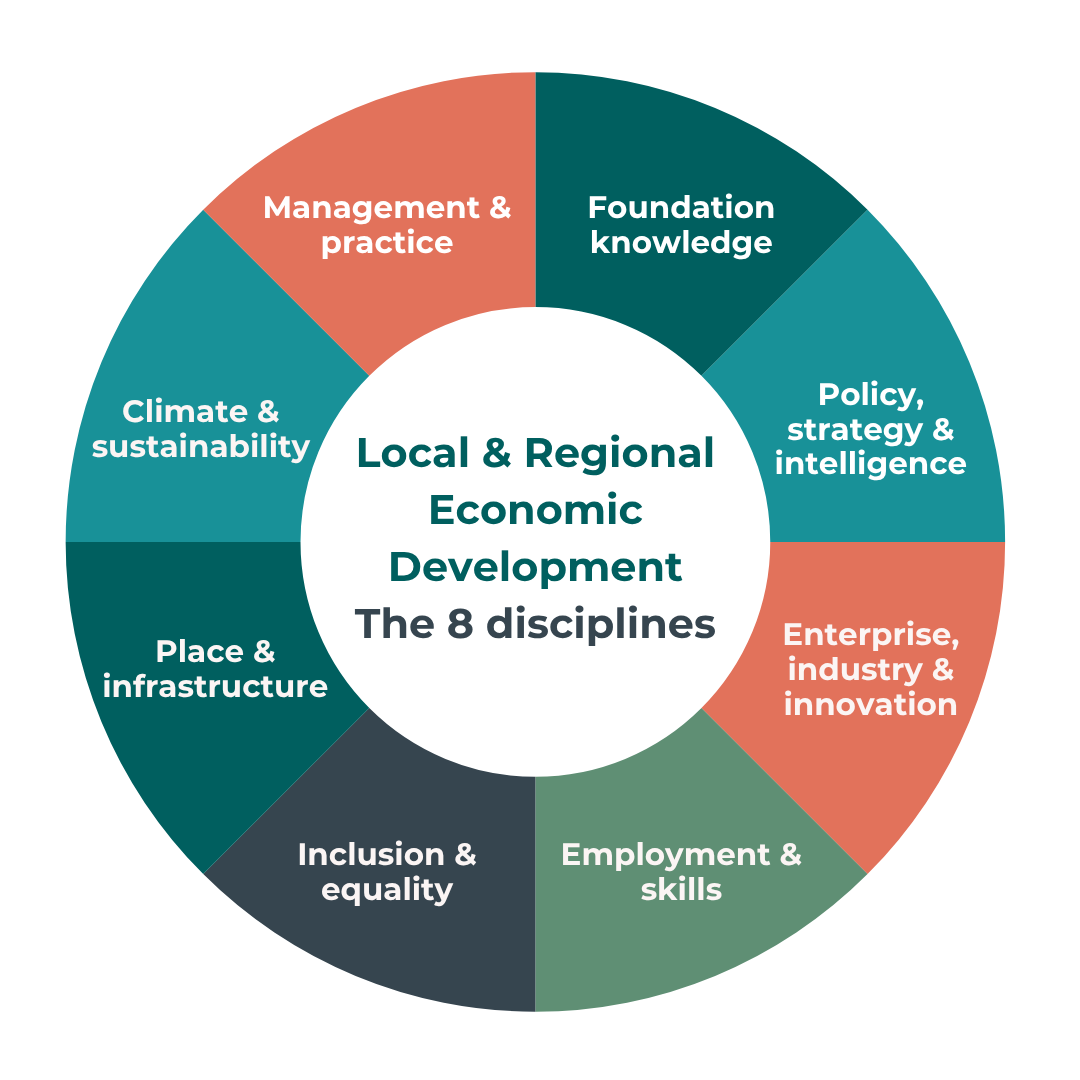

CPD for local and regional economic develoment
A real live community with interaction, live events, expert Q&A and live cohorts of courses.

Flexible lean learning: learning and skills when you need them
You can access any course at any time, when you need it. Need to learn about FDI for your meeting next week? we’ve got it covered.

A free foundation course in Economic Development
A free 2-hour foundation course for those new to local and regional economic development.

Regular articles, tips, guides and industry news
Short form news and tips, and long-form expert reviews and guides.

A paid membership that includes all courses, resources and access to live content and webinars
Membership gets you access to 15+ hours of courses, that are being refined and expanded all the time – in response to your needs.

Mentoring and coaching
Structured mentoring programmes with specialist expert advisors and mentors.
The Team

Glenn Athey
Glenn (BA, MA, PhD) has 31 years of experience in local, city and regional economic development and regeneration.
This includes executive leadership, project development and leadership, area visioning programmes, leading partnerships, and economic analysis and insight.
Glenn has held senior roles at Futureskills Scotland, London Development Agency, Centre for Cities, The East of England Development Agency, and Greater Cambridge Greater Peterborough LEP.
Glenn also heads up a consultancy practice at Mylocaleconomy; and contributes to the Local Skills Improvement Partnership.
Get ready for the next round of Local Skills Improvement Partnerships (LSIPs)
𝗟𝗼𝗰𝗮𝗹 𝗦𝗸𝗶𝗹𝗹𝘀 𝗜𝗺𝗽𝗿𝗼𝘃𝗲𝗺𝗲𝗻𝘁 𝗣𝗹𝗮𝗻𝘀 (𝗟𝗦𝗜𝗣𝘀), launched in January 2021, empowered businesses in England, especially SMEs, to have a strong voice in local skills planning as they were led by local Chambers of Commerce. The LSIPs aimed to ensure skills provision is responsive...
Shy bairns get nowt! shape the government’s response to your own agenda
It was an often used phrase when I was growing up in the North East of England, and in this short article I apply it to local economic development!Unfortunately it seems the new Labour Government's economic growth programme shows little prospect of significantly...
Understanding future skills needs: don’t get overwhelmed, get informed…
𝙒𝙤𝙧𝙧𝙞𝙚𝙙 𝙖𝙗𝙤𝙪𝙩 𝙛𝙪𝙩𝙪𝙧𝙚 𝙨𝙠𝙞𝙡𝙡𝙨 𝙣𝙚𝙚𝙙𝙨? 𝘼𝙘𝙩𝙞𝙤𝙣𝙨 𝙮𝙤𝙪 𝙘𝙖𝙣 𝙩𝙖𝙠𝙚. 𝘼𝙙𝙫𝙞𝙘𝙚 𝙄 𝙘𝙖𝙣 𝙜𝙞𝙫𝙚.One thing I encounter quite often is that stakeholders and people who work in economic development, employment and skills fields get concerned that they don't understand the nuances of the...
Green skills definitions that everyone should know about
𝙊𝙫𝙚𝙧 𝙩𝙝𝙚 𝙥𝙖𝙨𝙩 𝙩𝙬𝙤 𝙮𝙚𝙖𝙧𝙨, 𝙨𝙩𝙖𝙠𝙚𝙝𝙤𝙡𝙙𝙚𝙧 𝙘𝙤𝙣𝙨𝙪𝙡𝙩𝙖𝙩𝙞𝙤𝙣𝙨 𝙝𝙖𝙫𝙚 𝙝𝙞𝙜𝙝𝙡𝙞𝙜𝙝𝙩𝙚𝙙 𝙘𝙤𝙣𝙛𝙪𝙨𝙞𝙤𝙣 𝙖𝙗𝙤𝙪𝙩 𝙩𝙝𝙚 𝙙𝙚𝙛𝙞𝙣𝙞𝙩𝙞𝙤𝙣 𝙤𝙛, 𝙖𝙣𝙙 𝙛𝙪𝙩𝙪𝙧𝙚 𝙙𝙚𝙢𝙖𝙣𝙙 𝙛𝙤𝙧 "𝙜𝙧𝙚𝙚𝙣 𝙨𝙠𝙞𝙡𝙡𝙨".Despite excellent research, often accessible, informing public policy, not enough people know about it. The methodology could be...
𝙄𝙢𝙥𝙡𝙚𝙢𝙚𝙣𝙩𝙞𝙣𝙜 𝙡𝙤𝙬 𝙘𝙖𝙧𝙗𝙤𝙣 𝙡𝙤𝙘𝙖𝙡 𝙚𝙘𝙤𝙣𝙤𝙢𝙞𝙘 𝙙𝙚𝙫𝙚𝙡𝙤𝙥𝙢𝙚𝙣𝙩: 𝙎𝙠𝙞𝙡𝙡𝙨
STEM skills lie at the heart of skills needs for the green economy and transition to net zero, particularly for entry-level jobs, and for roles that employers can shape and train themselves.Some industries are relatively well established, and skills needs are known,...
𝙄𝙢𝙥𝙡𝙚𝙢𝙚𝙣𝙩𝙞𝙣𝙜 𝙡𝙤𝙬 𝙘𝙖𝙧𝙗𝙤𝙣 𝙡𝙤𝙘𝙖𝙡 𝙚𝙘𝙤𝙣𝙤𝙢𝙞𝙘 𝙙𝙚𝙫𝙚𝙡𝙤𝙥𝙢𝙚𝙣𝙩: 𝙇𝙖𝙗𝙤𝙪𝙧 𝙥𝙖𝙧𝙩𝙞𝙘𝙞𝙥𝙖𝙩𝙞𝙤𝙣 𝙖𝙣𝙙 ‘𝙟𝙪𝙨𝙩 𝙩𝙧𝙖𝙣𝙨𝙞𝙩𝙞𝙤𝙣’
The response to climate change will require some sweeping changes to energy costs and use, transport networks and availability, market demand and supply chains.There are real risks that the transition to net zero could add extra cost burdens onto low income residents...